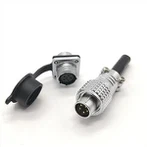
1. Cov hlua hluav taws xob:
Lub peev xwm tam sim no ntawm cov hlua hluav taws xob xaiv yuav tsum sib npaug lossis ntau dua li tus nqi ntawm lub fuse txuas nrog lub hwj chim amplifier. Yog tias cov xaim tsis zoo siv los ua cov hlua hluav taws xob, nws yuav tsim AC suab nrov thiab ua rau lub suab tsis zoo. Cov hlua hluav taws xob tuaj yeem kub thiab kub. Thaum siv ib txoj hlua hluav taws xob los cais lub hwj chim ntau lub tshuab hluav taws xob, qhov ntev ntawm cov xaim los ntawm qhov sib cais rau txhua lub amplifier yuav tsum sib npaug li qhov ua tau. Thaum cov kab hluav taws xob txuas nrog, yuav muaj qhov sib txawv ntawm tus kheej lub zog amplifiers, qhov sib txawv no yuav ua rau AC suab nrov, uas yuav ua rau lub suab tsis zoo. Cov duab hauv qab no yog ib qho piv txwv ntawm cov hlua khi ntawm lub teeb, lub rhaub, thiab lwm yam.

Thaum lub ntsiab chav tsev yog powered ncaj qha los ntawm lub mains, suab nrov yog txo thiab suab zoo yog zoo dua. Ua tib zoo tshem tawm cov av ntawm lub roj teeb txuas thiab ua kom nruj rau lub connector. Yog hais tias lub hwj chim connector yog qias neeg los yog tsis nruj nruj, yuav muaj kev sib cuag tsis zoo ntawm lub connector. Qhov muaj nyob ntawm qhov thaiv qhov thaiv yuav ua rau lub suab nrov AC, uas yuav ua rau lub suab tsis zoo. Tshem tawm cov av ntawm cov pob qij txha nrog cov ntawv xuab zeb thiab cov ntaub ntawv zoo, thaum txhuam nrog butter. Thaum xaim hluav taws xob hauv lub tsheb, tsis txhob xaim ze ntawm lub tshuab hluav taws xob thiab cov khoom siv hluav taws xob, vim tias lub tshuab hluav taws xob muaj suab nrov thiab hluav taws xob hluav taws xob tuaj yeem tawg mus rau hauv txoj kab hluav taws xob. Thaum hloov lub Hoobkas- teeb tsa lub teeb hluav taws xob thiab cov hluav taws xob txuas hluav taws xob nrog lub siab- hom kev ua tau zoo, qhov hluav taws xob hluav taws xob muaj zog dua thiab lub suab nrov nrov yuav tshwm sim. Cov hauv paus ntsiab lus rau kev xa cov hluav taws xob cables thiab audio cables hauv lub tsheb yog tib yam.
2. Txoj kev hauv av:
Siv cov ntawv xuab zeb zoo tshem tawm cov xim ntawm cov ntsiab lus hauv av ntawm lub tsheb lub cev, thiab kho cov xaim hauv av kom nruj. Yog hais tias cov xim tseem nyob nruab nrab ntawm lub tsheb lub cev thiab hauv av davhlau ya nyob twg, nws yuav ua rau kev sib cuag ntawm qhov chaw hauv av. Zoo ib yam li cov khoom siv roj teeb qias neeg uas tau piav qhia ua ntej, kev tiv thaiv kev tiv thaiv tuaj yeem ua rau lub suab nrov nrov uas tuaj yeem ua rau lub suab tsis zoo. Tsom ntsoov rau hauv av ntawm txhua yam khoom siv suab hauv lub kaw lus ntawm ib qho chaw. Yog tias lawv tsis nyob hauv av ua ke, qhov sib txawv ntawm cov khoom ntawm tus neeg hais lus yuav ua rau lub suab nrov.
3. Kev xaiv lub tsheb suab thaiv:
Qhov me me ntawm qhov tsis kam ntawm lub tsheb suab xaim, lub zog tsawg yog dissipated ntawm cov hlau, thiab qhov ua tau zoo ntawm qhov system ntau dua. Txawm hais tias cov hlau yog tuab, qee qhov nyiaj ntawm lub zog yuav ploj vim tus neeg hais lus nws tus kheej tsis ua rau tag nrho cov kab ke 100 feem pua.
The smaller the resistance of the wire, the greater the damping coefficient; the greater the damping coefficient, the greater the excess vibration of the speaker. The larger the cross-sectional area (thicker) of the wire, the smaller the resistance, and the larger the allowable current value of the wire, the greater the allowable output power. The selection of power insurance The closer the fuse box of the main power line is to the car battery connector, the better. The insurance value can be determined according to the following formula: Insurance value = (sum of the total rated power of each power amplifier of the system¡ 2) / average value of the car power supply voltage .
4. Kev xaim ntawm cov kab teeb tsa suab:
Siv cov ntaub nplaum los yog cov cua sov-shrinkable raj los qhwv lub suab teeb liab cable txuas kom nruj kom ntseeg tau tias muaj rwb thaiv tsev. Thaum lub connector nyob rau hauv kev sib cuag nrog lub tsheb lub cev, lub suab nrov yuav raug generated. Khaws cov kab teeb tsa suab kom luv li sai tau. Qhov ntev ntawm lub suab teeb liab cable yog, qhov yooj yim dua nws yog qhov cuam tshuam los ntawm ntau qhov sib txawv zaus hauv lub tsheb. Lus Cim: Yog tias qhov ntev ntawm lub teeb liab cable tsis tuaj yeem raug luv, qhov ntev ntxiv yuav tsum tau muab tais, tsis yog dov.
The routing of the audio signal cable should be at least 20cm away from the power cable of the on-board computer module circuit and power amplifier. If the wiring is too close, the audio signal lines can pick up frequency-interfering noise. It is best to route the audio signal cable and power cable separately on both sides of the driver's seat and the passenger's seat. Note that when wiring close to the power line and microcomputer circuit, the audio signal line must be more than 20cm away from them. If the audio signal line and the power line need to cross each other, we suggest that it is best to intersect at 90 degrees.